Multidisciplinary tumor board
Every interventional oncology case is reviewed jointly by interventional radiologists, medical oncologists, surgeons and radiation oncologists to determine the best strategy.
Anadolu Interventional Radiology Center
Interventional radiology treats cancer, vascular and neurovascular disease without open surgery — using ultrasound, CT, MRI, fluoroscopy and cone-beam CT guidance, all in one center in Istanbul.
International accreditations and recognition


Image-guided, minimally invasive
Interventional radiology (IR) is a minimally invasive subspecialty that uses advanced imaging guidance — ultrasound, CT, MRI, fluoroscopy and cone-beam CT — to treat disease through tiny incisions, without open surgery.
At Anadolu Medical Center, our IR team performs a comprehensive range of image-guided oncologic, vascular and neurovascular procedures, working closely with medical oncology, general surgery, neurology and radiation oncology as part of a multidisciplinary approach.
No open surgery: treatment through millimetre-sized entry points, often under sedation.
Organ-sparing: healthy tissue and critical structures are preserved wherever possible.
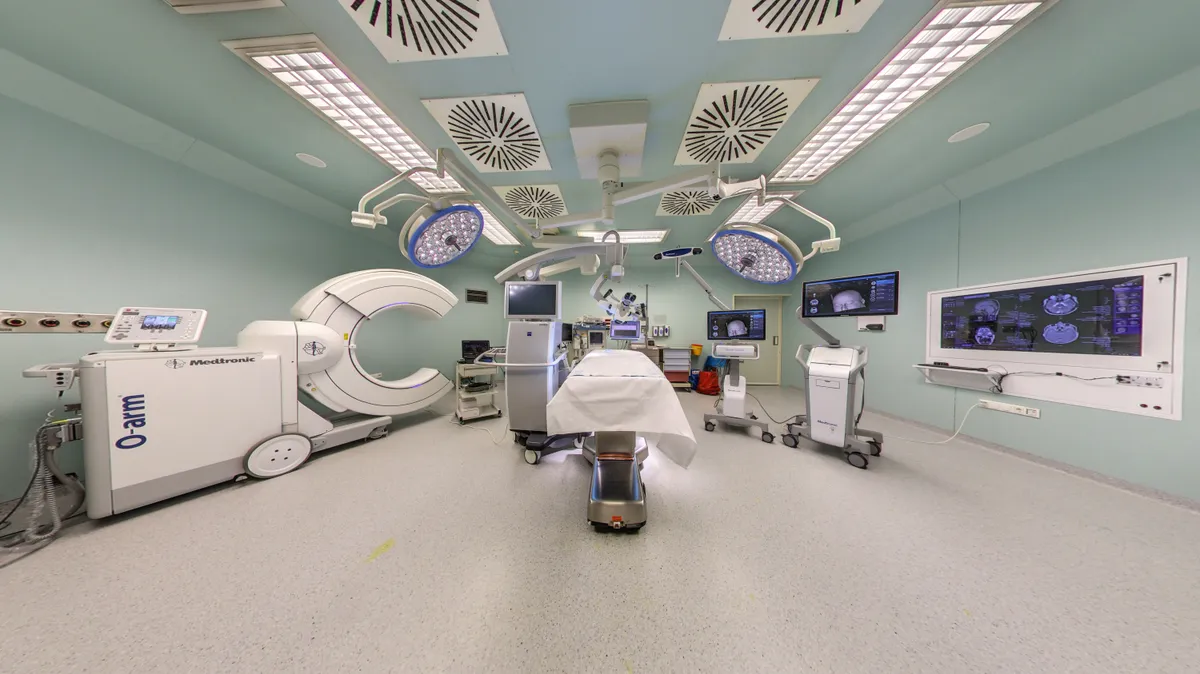
Advanced guidance: cone-beam CT navigation and fusion imaging for precise, real-time targeting.
Multidisciplinary: every oncology case is reviewed jointly by a dedicated tumor board.
Interventional oncology · tumor ablation
We select from a range of thermal and non-thermal ablation techniques based on the tumor's size, location and proximity to critical structures. Our goal is always A0 ablation — no measurable tumor tissue left behind — supported by cone-beam CT navigation and confirmation imaging.
Microwave (MWA) & radiofrequency ablation (RFA): heat delivered through image-guided probes — a well-established first-line option for small-to-medium liver, kidney, lung and bone tumors.
Cryoablation: destroys tumors with extreme cold instead of heat — ideal near heat-sensitive structures such as the bowel, nerves or urinary tract.
Laser ablation: precisely targeted thermal energy through thin optical fibers for lesions in delicate locations.
NanoKnife (irreversible electroporation, IRE): high-voltage electrical pulses — not heat or cold — that spare nearby vessels, bile ducts and nerves, preferred for tumors next to critical structures.
Electrochemotherapy: electrical pulses paired with Bleomycin for select cutaneous, subcutaneous and deep soft-tissue lesions, and some vascular malformations.
Interventional oncology · intra-arterial
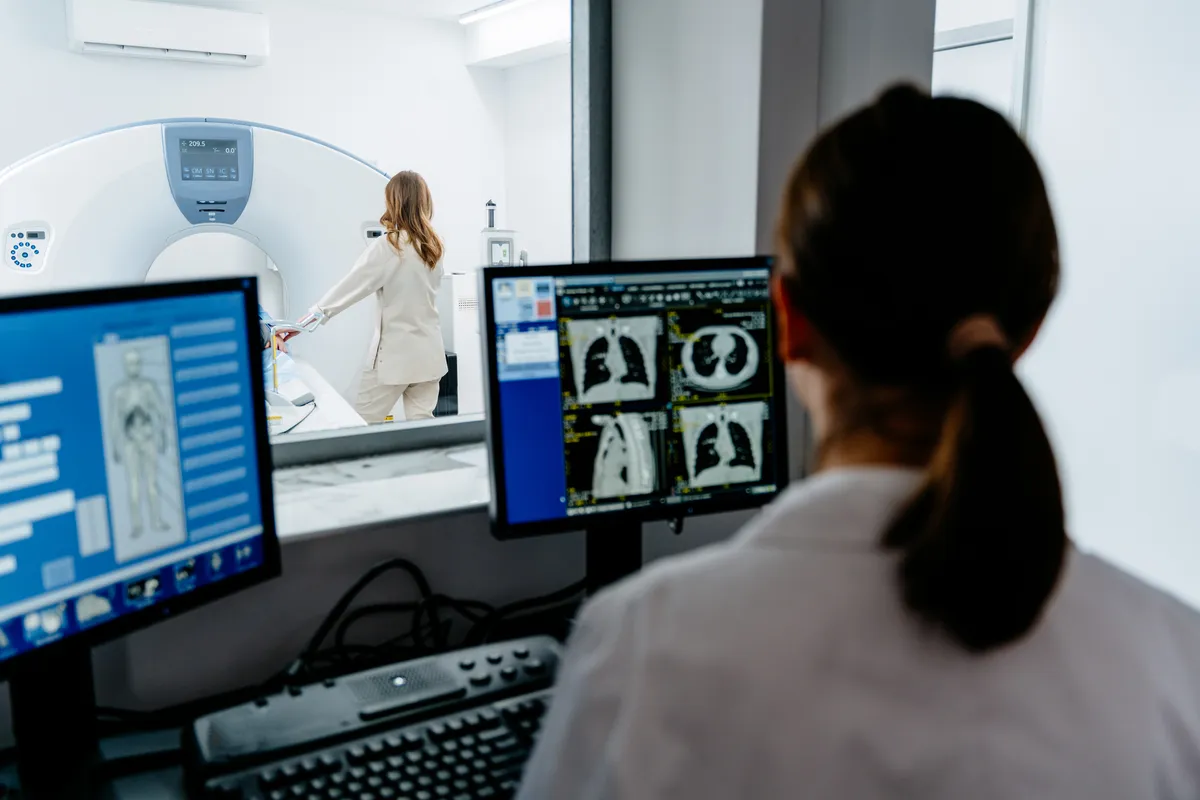
For liver-dominant and other vascular tumors, we deliver treatment directly into the tumor's blood supply — maximising the local effect while sparing healthy tissue.
Delivers chemotherapy-loaded embolic particles directly into the vessels feeding a tumor while cutting off its blood supply at the same time. Widely used for primary liver cancer and liver metastases.
Delivers microscopic radioactive Yttrium-90 microspheres directly into liver tumors through their blood supply, providing high-dose, localised radiation to the tumor itself.
A pump placed surgically or radiologically delivers continuous, high-concentration chemotherapy directly to liver tumors; regional HAIC protocols (such as LEOX) treat advanced, liver-dominant disease.
Isolates the liver's circulation to deliver very high-dose chemotherapy directly to liver tumors — including metastatic ocular melanoma and colorectal liver metastases — while filtering the drug from the blood before it re-enters the body.
Vascular interventional radiology
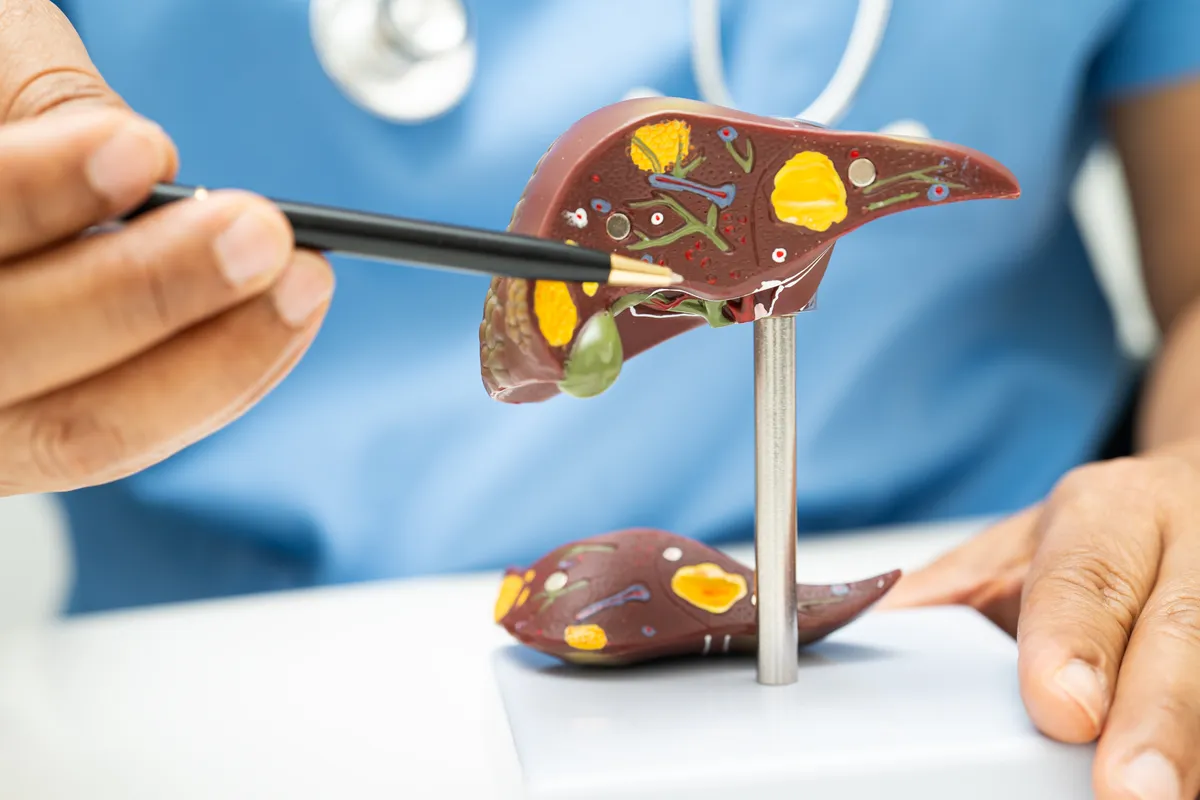
Thin catheters and wires — no large incisions
A broad spectrum of arterial and venous conditions can be managed with angiographic techniques that navigate through the vessels with thin catheters and wires:
Stenosis & occlusions: narrowed or blocked arteries and veins are reopened with balloon angioplasty and stenting to restore blood flow and heal wounds.
Tumor-related bleeding: controlled with rapid, targeted embolization of active or high-risk hemorrhage.
Vascular malformations (AVMs, venous): treated with image-guided embolization and sclerotherapy — with promising early results from BEST, an emerging electrochemotherapy-based technique.
Aneurysms: repaired with minimally invasive endovascular techniques when they carry a high bleeding risk.
Varicose veins & venous disease: including pelvic congestion syndrome and varicocele — treated with endovenous ablation, embolization and thrombolysis.
Neurointerventional radiology
Time-critical and elective cerebrovascular care
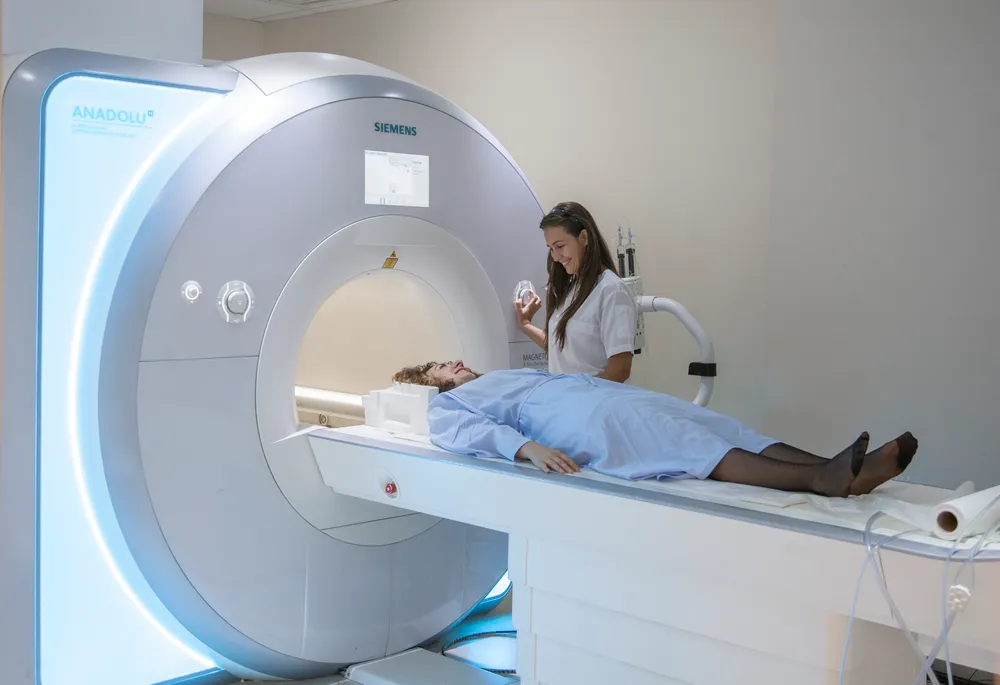
Our neurointerventional team provides both emergency and planned endovascular treatment for cerebrovascular and spinal vascular conditions:
Stroke thrombectomy: an emergency procedure that mechanically retrieves the clot within the first hours of stroke onset, restoring blood flow and limiting brain damage.
Carotid & intracranial occlusions: reopened with angioplasty and stenting to reduce stroke risk.
Intracranial aneurysms: treated endovascularly with coiling, stent-assisted coiling or flow diversion.
Intracranial AVMs: managed with endovascular embolization when symptomatic or high-risk.
Cranial & spinal vascular malformations: AVMs and AVFs managed endovascularly according to their location.
Nonvascular interventional radiology
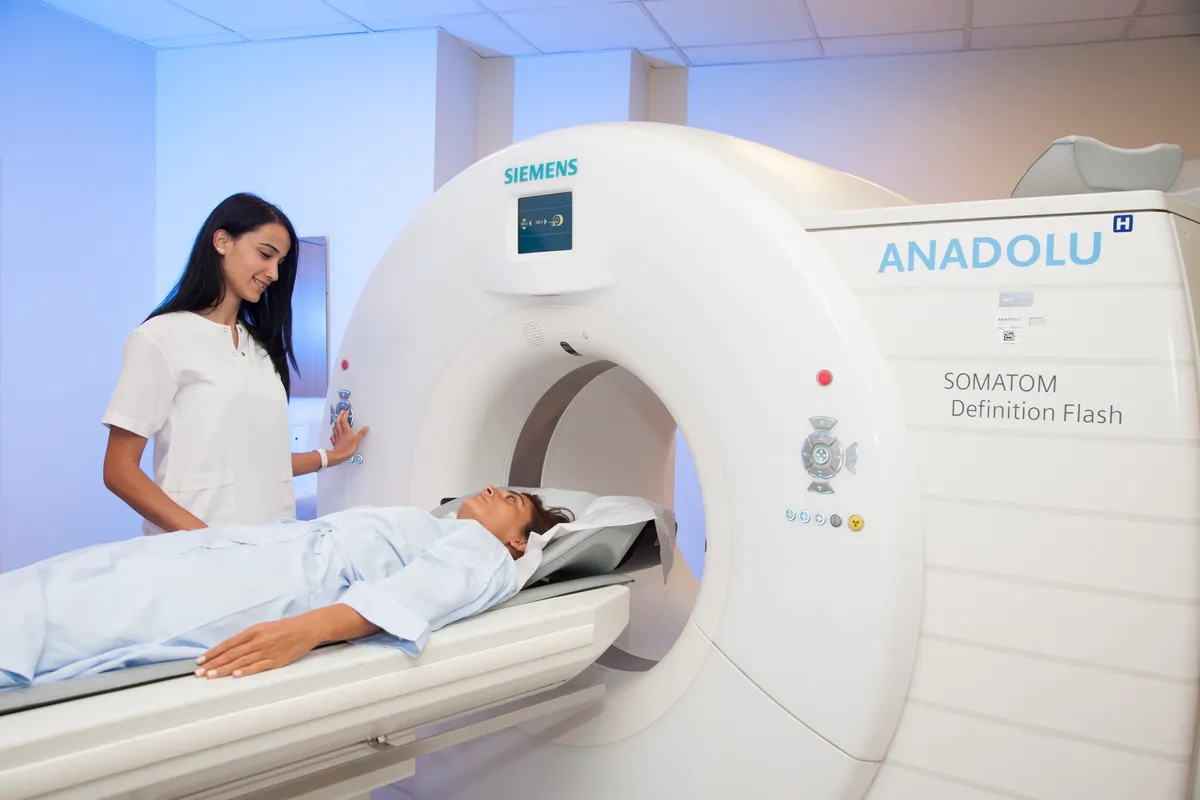
Accurate tissue diagnosis is the foundation of effective cancer treatment — and IR also relieves symptoms and improves quality of life through minimally invasive, image-guided procedures:
Image-guided biopsies: ultrasound, CT and MRI-guided sampling of virtually any organ, with fusion, navigation and cone-beam CT for anatomically complex lesions.
One-stop diagnosis & treatment: bedside pathology during the procedure lets us confirm the diagnosis and, when appropriate, complete an ablation in the same session.
Drainage & stenting: catheter drainage of ascites, abscesses and cysts, and stents that restore patency in obstructed bowel, biliary or urinary systems.
Pain control & bone stabilisation: image-guided nerve blocks and neurolysis for cancer pain, plus vertebroplasty, cementoplasty and screw fixation to stabilise weakened bone.
Why Anadolu
A complete interventional oncology and vascular center, built around the patient.
Every interventional oncology case is reviewed jointly by interventional radiologists, medical oncologists, surgeons and radiation oncologists to determine the best strategy.
From thermal and non-thermal ablation to the complete range of intra-arterial liver-directed therapies — supported by cone-beam CT and fusion imaging.
Same-session biopsy, bedside pathology and ablation for select tumors — a faster path from diagnosis to treatment.
Our Johns Hopkins Medicine partnership and programs such as IASIOS keep us aligned with the latest global IR protocols and standards, with full international patient support.
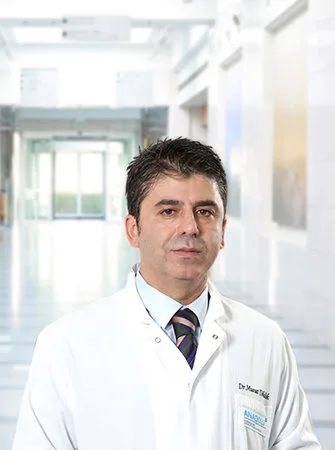
MD. Ahmet Murat Dökdök
Interventional Radiology
Medical second opinion
Send your medical documents (imaging, biopsy, pathology, reports) and our interventional radiologists and multidisciplinary tumor board will evaluate your case free of charge: diagnosis, minimally invasive options and an estimated cost plan.
Interventional radiology team
Interventional radiologists working alongside medical oncologists, surgeons, neurologists and radiation oncologists — a complete team dedicated to your case.
Every interventional oncology case is discussed by the hospital's multidisciplinary tumor board.
Testimonials
Thousands of international patients choose Anadolu for their cancer treatment every year. Hear their experience.
Life-changing care at Anadolu
An international patient's journey at Anadolu
Compassionate, expert cancer care
From diagnosis to recovery at Anadolu
Services for international patients
We understand that travelling abroad for cancer treatment can be challenging. Our international patient team takes care of everything.
A dedicated interpreter accompanies you at consultations, investigations and admission — free of charge.
Patients from 65+ countries, assistance in 18 languages — including English.
Full assistance with travel, visa (where required) and accommodation.
Free transfers to and from the airport, with a dedicated driver.
Free evaluation of your documents by the oncology team.
Seamless liaison between doctors, hospital and insurer, with your discharge documents provided in English.
Send your medical documents today — a specialist will contact you the same day.
Frequently asked questions
Can’t find your answer? Talk directly to a patient coordinator — no obligation.
Interventional radiology (IR) treats disease through tiny incisions using imaging guidance (ultrasound, CT, MRI, fluoroscopy, cone-beam CT) instead of open surgery. Most procedures are done under sedation or local anaesthesia, with less pain, lower risk and a faster recovery than conventional surgery.
Image-guided ablation (MWA, RFA, cryoablation, NanoKnife/IRE, laser) is well established for small-to-medium tumors of the liver, kidney, lung and bone. Intra-arterial therapies such as TACE and TARE (Yttrium-90) are widely used for primary liver cancer and liver metastases. Eligibility is confirmed after our team reviews your imaging.
Nothing. You send your documents (imaging, biopsy, pathology, reports) and our interventional radiology team and tumor board respond within 48 hours with your minimally invasive options and a cost estimate — free and with no obligation.
Both are delivered directly into a liver tumor's blood supply. TACE combines chemotherapy with particles that block the feeding vessels, while TARE delivers radioactive Yttrium-90 microspheres for high-dose, localised internal radiation. The right choice depends on the tumor type, size and liver function.
Yes. Our neurointerventional team performs mechanical thrombectomy — an emergency procedure that removes the clot within the first hours of stroke onset to restore blood flow and limit brain damage — as well as treatment of aneurysms and cerebral vascular malformations.
Yes. Our international patient team speaks English, a medical interpreter accompanies you to consultations and procedures, and your English-speaking coordinator stays in contact with you and your family, including after you return home.
About us
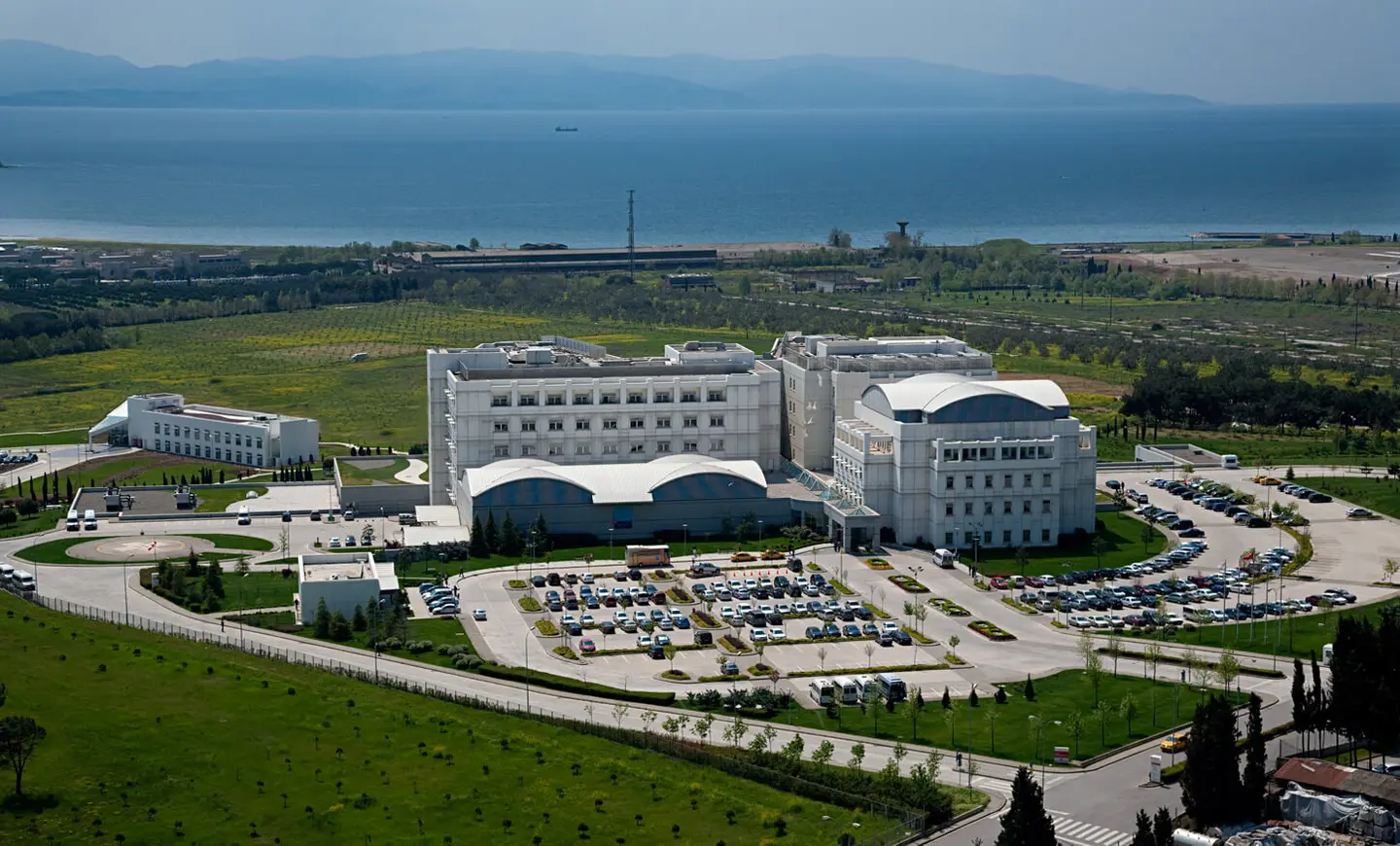
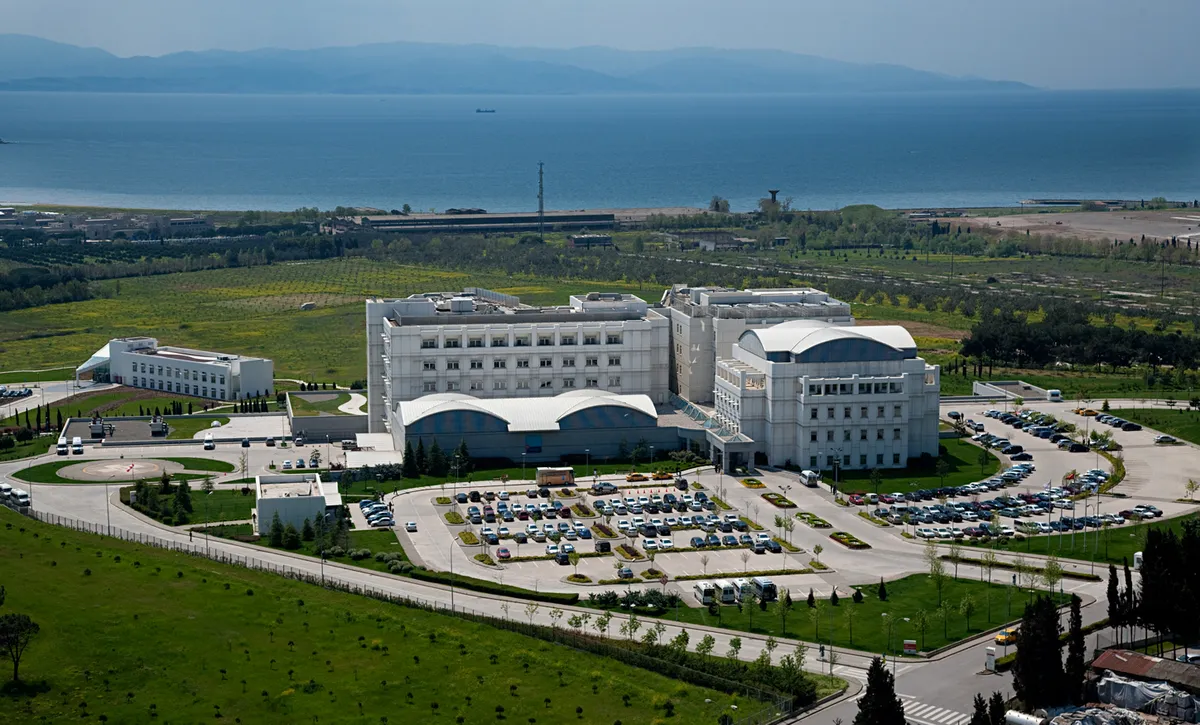
Anadolu Medical Center is a state-of-the-art, multispecialty, acute-care hospital in Istanbul, established by the Anadolu Foundation in 2005. It has two defining characteristics: its non-profit status and its unique affiliation with the globally recognised Johns Hopkins Medicine, USA.
This affiliation places Anadolu Medical Center among the best hospitals in the world, giving patients continuous access to the latest innovations, unmatched expertise and technological advances that translate into outstanding care and top-tier clinical outcomes.
Contact
Fill in the form and a patient coordinator will contact you the same day. A specialist medical opinion — within 48 hours.
Cumhuriyet Mah., 2255 Sok. No: 341400 Gebze / Kocaeli, Turkey
Response within 48 hours
Request a free review of your case
Our oncology team reviews your documents and comes back with a concrete plan.