

Multidisciplinary diabetic foot unit
Specialists in infectious diseases, endocrinology, vascular surgery, orthopedics, plastic surgery and wound care work on your case together.
Anadolu Diabetic Foot Unit
A multidisciplinary team of infectious-disease specialists, vascular, orthopedic and plastic surgeons and wound-care nurses — working together to preserve limbs and improve quality of life.
International accreditations and recognition




Understanding diabetic foot
Diabetic foot is one of the most serious complications of diabetes. At Anadolu Medical Center we offer a comprehensive, multidisciplinary approach — experts who work together to preserve limbs and improve quality of life, with early diagnosis, advanced treatment and ongoing rehabilitation.
Diabetes is a chronic condition in which the body cannot effectively use or produce insulin, leading to elevated blood sugar. Over time, uncontrolled diabetes causes nerve damage (neuropathy) and poor circulation (ischemia), especially in the feet — so even small injuries become dangerous: wounds may go unnoticed, heal slowly or become infected.
Type 1: immune-based insulin deficiency, often starting in childhood.
Type 2: linked to insulin resistance, obesity, lifestyle or genetics.
Gestational: occurs during pregnancy.
Complications: numbness, tingling or burning in the feet; poor blood flow and slow wound healing; increased infection risk; ulcers or gangrene requiring urgent care.

Recognising diabetic foot wounds
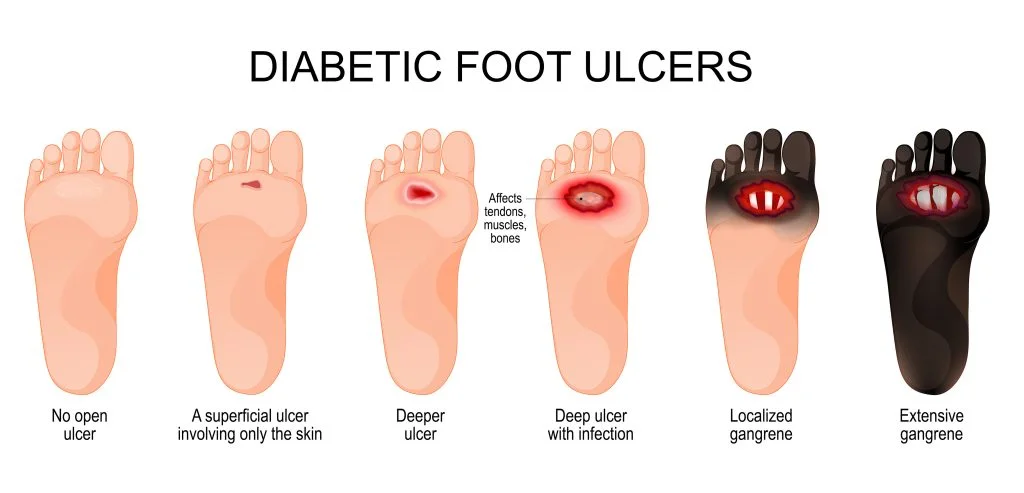
Common signs include open sores or ulcers (especially on the soles, toes or heels), redness, swelling or warmth around a wound, discoloration, bruising or a foul smell, numbness or pain in the foot, and leakage of infected fluid or thick yellowish discharge.
Neuropathic wounds: painless but dangerous sores from unnoticed trauma.
Ischemic wounds: poor blood flow causes painful, slow-healing wounds.
Mixed wounds: combined nerve and blood-vessel damage.
Ulcers: pressure-related open sores on the sole or toes.
Infected wounds: red, swollen, pus-filled wounds that may spread to bone.
Comprehensive treatment
We use a structured approach tailored to the severity and type of each wound — and our team prioritizes limb salvage whenever possible.
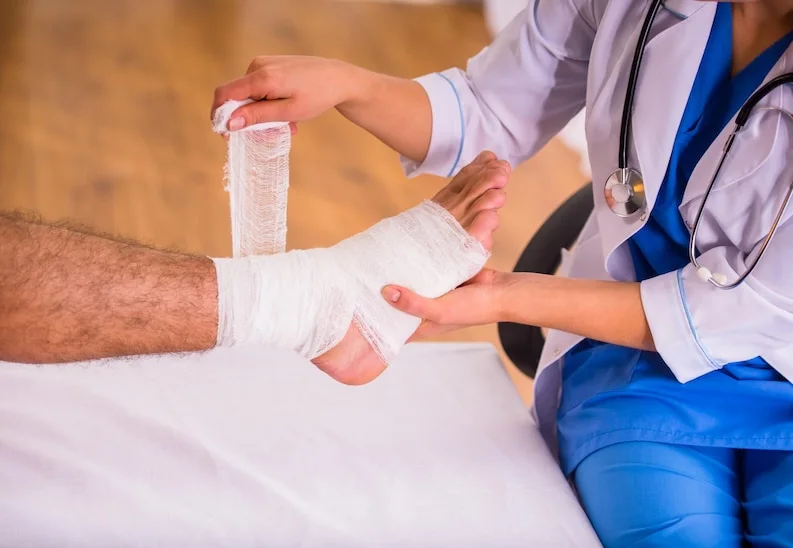
Gentle antiseptic wound cleansing, daily sterile dressings, and oral or IV antibiotics to fight infection — handled by our expert wound-care nurses and infectious-disease specialists.
Imaging and Doppler tests to assess blood flow, revascularization with angioplasty or bypass surgery, and debridement to remove dead or infected tissue. Restoring circulation is key to saving the limb and accelerating healing.
Surgical debridement for deep or infected wounds, reconstructive surgery to cover large wounds or restore function, and amputation only if needed — as a life-saving last resort in severe cases.
Physical therapy for strength, balance and circulation, custom orthopedic footwear to prevent recurrence and protect pressure points, and diabetes control in close collaboration with endocrinologists. We support your recovery even after the wound heals.
Innovative therapies
Alongside surgery and wound care, oxygen-based therapies support tissue repair and help the body fight infection.
Hyperbaric Oxygen Therapy (HBOT): high-pressure oxygen improves tissue oxygenation, promotes healing and enhances immune defense against infections.
Topical Oxygen Therapy: direct application of oxygen to the wound speeds up healing and reduces bacterial load.

Your guide to long-term foot health
Daily habits make the biggest difference: check your feet every day, wash and moisturize them properly, wear protective shoes, avoid smoking and keep your blood sugar under control.
Nutrition's role in healing: a low-glycemic-index diet, high protein intake (chicken, eggs, legumes), anti-inflammatory omega-3s (fish, walnuts) and vitamins C & E, zinc and magnesium.
How to choose the right shoes: soft, flexible, seam-free interiors; closed toes with a roomy front; orthopedic insoles for pressure relief; breathable material to avoid moisture.

Why Anadolu
A dedicated diabetic foot unit, built around limb salvage and your recovery.
Specialists in infectious diseases, endocrinology, vascular surgery, orthopedics, plastic surgery and wound care work on your case together.
Doppler ultrasound, CT angiography and modern surgical suites for precise diagnosis and treatment.
Nurse coordinators guide your journey from the first evaluation through recovery.
Language support, accommodation and travel assistance — plus our Johns Hopkins Medicine affiliation.
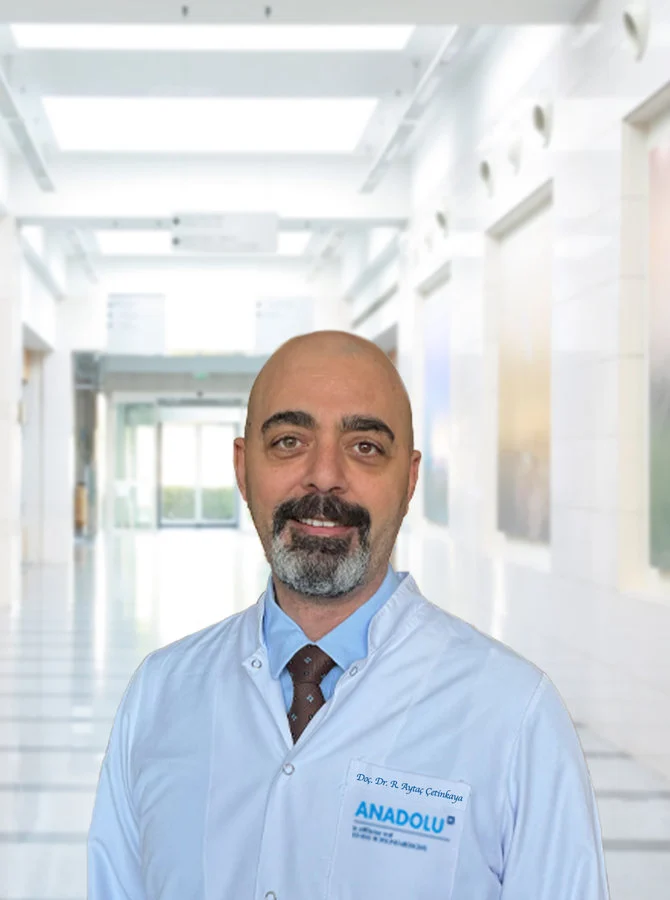
Prof. Dr. Aytaç Çetinkaya
Infectious Diseases · Diabetic Foot Infections
Medical second opinion
Send your medical reports and clear photos of the wound — our diabetic foot team will evaluate your case free of charge and reply with a treatment plan and an estimated cost.
Diabetic foot team
Infectious diseases, orthopedics, plastic and reconstructive surgery, radiology and cardiovascular surgery — one coordinated team for every diabetic foot case.
Every case is evaluated jointly by the multidisciplinary diabetic foot team.
Testimonials
Patients and families share their experience of diabetic foot treatment at Anadolu Medical Center.
A doctor who changed my father's life
Diabetic foot treatment in Turkey
Our diabetic foot patient tells his story
Services for international patients
We understand that travelling abroad for diabetic foot treatment can be challenging. Our international patient team takes care of everything.

A dedicated interpreter accompanies you at consultations, investigations and admission — free of charge.
Patients from 65+ countries, assistance in 18 languages — including English.
Full assistance with travel, visa (where required) and accommodation.
Free transfers to and from the airport, with a dedicated driver.
Free evaluation of your documents and wound photos by our diabetic foot team.
Seamless liaison between doctors, hospital and insurer, with your discharge documents provided in English.
Send your medical documents today — a specialist will contact you the same day.
Frequently asked questions
Can’t find your answer? Talk directly to a patient coordinator — no obligation.
Open sores or ulcers (especially on the soles, toes or heels), redness, swelling or warmth around a wound, discoloration, bruising or a foul smell, numbness or pain in the foot, and leakage of infected fluid or thick yellowish discharge. Any of these signs should be evaluated promptly.
Our team prioritizes limb salvage whenever possible — through infection control, restoring blood flow (angioplasty or bypass), debridement and reconstructive surgery. Amputation is considered only as a life-saving last resort in severe cases.
HBOT delivers oxygen at high pressure, which improves tissue oxygenation, promotes wound healing and enhances the body's immune defense against infection. Topical oxygen therapy, applied directly to the wound, is also available.
Nothing. Send your medical reports and photos of the wound, and our diabetic foot team will reply within 48 hours with a treatment plan and an estimated cost — free and with no obligation.
Yes. Our international patient team provides language support, a medical interpreter, accommodation and travel assistance, and a nurse coordinator who guides you throughout your treatment.
About us
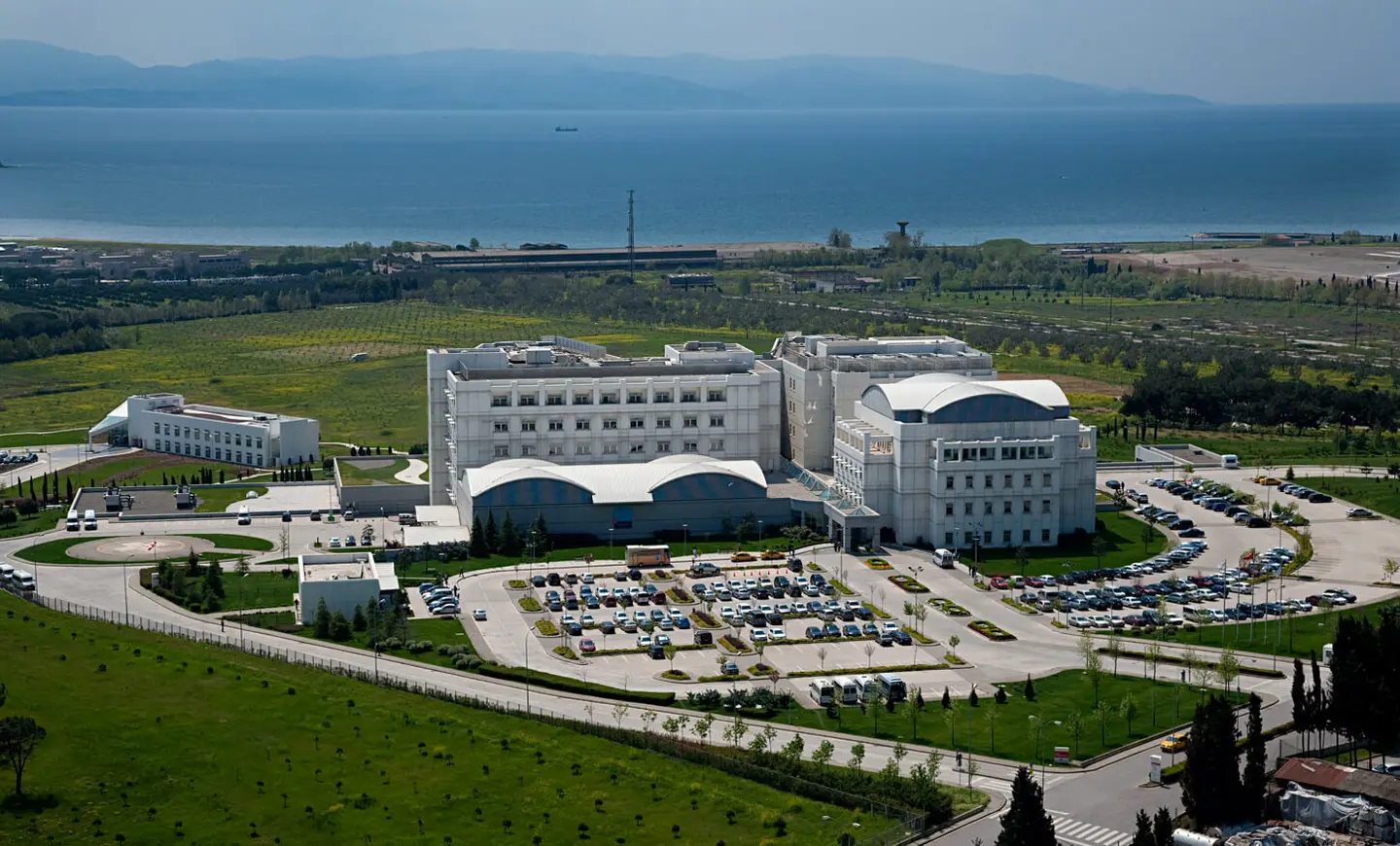
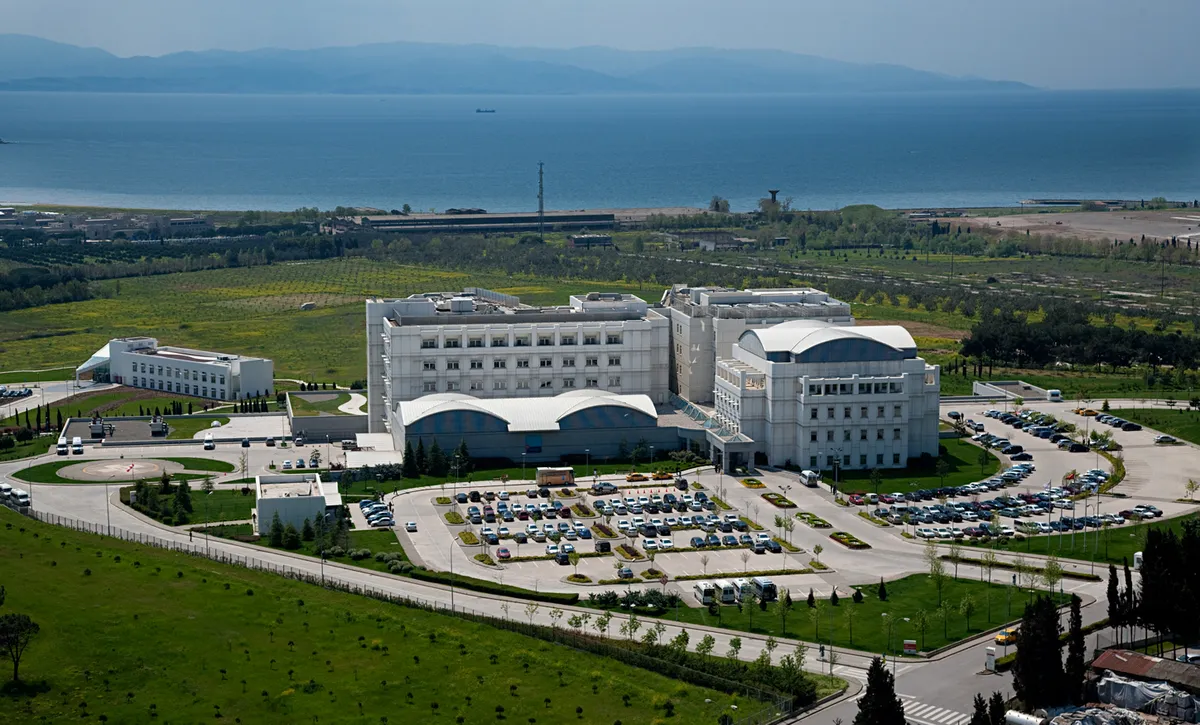
Anadolu Medical Center is a state-of-the-art, multispecialty, acute-care hospital in Istanbul, established by the Anadolu Foundation in 2005. It has two defining characteristics: its non-profit status and its unique affiliation with the globally recognised Johns Hopkins Medicine, USA.
This affiliation places Anadolu Medical Center among the best hospitals in the world, giving patients continuous access to the latest innovations, unmatched expertise and technological advances.
Contact
Fill in the form and a patient coordinator will contact you the same day. A specialist medical opinion — within 48 hours.
Cumhuriyet Mah., 2255 Sok. No: 341400 Gebze / Kocaeli, Turkey
Response within 48 hours
Request a free review of your case
Our diabetic foot team reviews your documents and photos and comes back with a concrete plan.